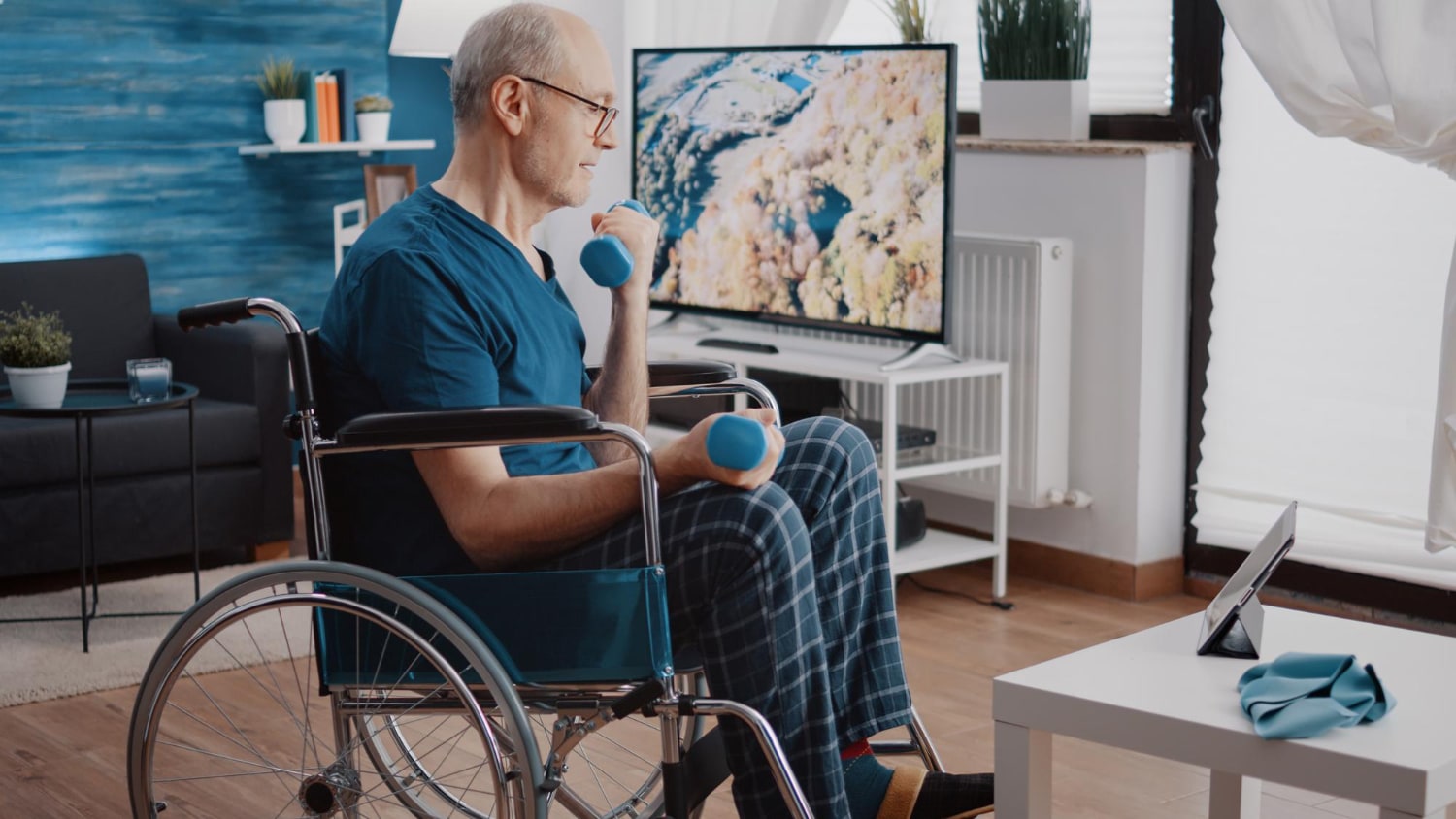
When a loved one begins to need more support at home, families often have one important question:
What can a live-in carer legally do?
It’s an understandable concern. If your mum or dad needs medication, uses a catheter, has a stoma or requires insulin, you may wonder whether a live-in carer is qualified to help or whether you need a nurse instead.
The answer isn’t always straightforward.
Many people assume that carers can only help with washing, dressing and preparing meals. In reality, modern live-in carers can often support with a much wider range of healthcare tasks than people realise. However, what they’re able to do depends on factors such as their training, competency, the individuals care plan and the policies of the care provider.
Understanding these distinctions can help you choose the right type of care without paying for clinical nursing support that may not be necessary.
In this guide, we’ll explain what a live-in carer can legally do, answer common questions such as ‘can a carer administer insulin?’, and look at when support from a registered nurse may still be required.
What Can a Live-in Carer Legally Do?
There’s a common misconception that carers aren’t allowed to carry out healthcare related tasks.
In reality, many live-in carers can safely support with a range of delegated healthcare activities, provided they have received the appropriate training, have been assessed as competent and are working in line with their employer’s policies and the individual’s care plan.
Exactly what a carer can do will vary between care providers and according to each person’s needs.
Generally speaking, a trained live-in carer may be able to help with:
- Personal care, including washing, dressing and grooming
- Medication support
- Assistance with mobility and transfer
- Meal preparation and hydration
- Continence care
- Catheter care
- Stoma care
- Blood glucose monitoring
- Peg Feeding (where appropriately trained and authorised)
- Diabetes support – Monitoring
- Monitoring changes in wellbeing
- Liaising with healthcare professionals
- Providing companionship and emotional support
- Physical exercises following stroke
Where more complex clinical interventions are required, carers often work alongside district nurses, GP’s and other healthcare professionals to ensure safe, coordinated care.
Quick Guide: What Can a Live-in Carer Do?
The table below provides a general guide to the tasks that many trained live-in carers can support with.
Every care package is different, so it’s important to discuss your loved ones individual needs with your care provider before care begins.
Can Carers Give Medication?
One of the most frequently asked questions is ‘Can carers give medication?’
The answer is yes, but only under the right circumstances. Many live-in carers are trained to support with medication as part of their role.
Depending on the provider’s policies and the individuals care plan, a carer may:
- Prompt someone to take their medication
- Assist with medication
- Administer certain prescribed medications
- Record when medication has been given
- Monitor for any concerns or side effects and report these appropriately
However, carers must only administer medication when they have received the appropriate training and been assessed as competent to do so. Some medicines or clinical procedures may still require a registered nurse.
The key principle is that medication support should always be delivered safely, following professional guidance and the person’s agreed care plan.
Can a Carer Administer Insulin?
This is perhaps the most common question families ask when exploring home care.
The short answer is yes, some carers can administer insulin, but only when specific conditions have been met. Insulin administration is considered a delegated healthcare activity in many care settings.
A live-in carer may administer insulin if:
- They have completed appropriate training
- They’ve been assessed as competent
- The task has been delegated in line with local procedures
- The individual’s care plan clearly states that insulin administration forms part of their care
Many people living with diabetes receive insulin safely at home with support from trained carers.
In some situations, particularly where diabetes is unstable or particularly complex, insulin management may instead by overseen by community nurses or other healthcare professionals.
Rather than asking whether carers are ‘allowed’ to administer insulin, it’s more accurate to ask whether the individual carer has been trained, assessed and authorised to carry out the task safely.
What about Blood Glucose Monitoring
Many people who require insulin also need their blood glucose levels monitored.
Following appropriate training, live-in carers can often assist with blood glucose monitoring using approved testing equipment.
They may:
- Carry out blood glucose tests
- Record results
- Recognise readings that fall outside agreed parameters
- Escalate concerns in accordance with the individuals care plan
This monitoring helps ensure changes are identified promptly and appropriate action can be taken if required.
Can Live-in Carers Help with Catheters?
Yes, many live-in carers routinely support people who use urinary catheters.
Routine catheter care often forms part of a person’s daily care plan and can help reduce discomfort whilst lowering the risk of infection.
Depending on their training, carers may assist with:
- Emptying catheter drainage bags
- Maintaining good catheter hygiene
- Monitoring urine output
- Checking for signs of infection or blockages
- Reporting concerns promptly
- Supporting general comfort and dignity
However, inserting or replacing a catheter is generally carried out by registered healthcare professionals such as district nurses or specialist clinicians.
The live-in carer’s role is to provide safe day-to-day support whilst working alongside healthcare professionals whenever clinical intervention is needed.
Why Training and Competency Matter
When families ask what a carer can legally do, there’s rarely a simple yes or no answer. The law doesn’t provide a fixed list of tasks that carers are either allowed or prohibited from carrying out.
Instead, the focus is on training, competence, delegation and safe practice.
Before understanding healthcare related tasks such as administrating insulin or supporting PEG feeding, carers should receive appropriate training, demonstrate competence and follow clear care plans and organisational policies. This approach helps ensure that care remains safe whilst allowing people with more complex needs to continue living independently at home.
For families, that means looking beyond job titles and understanding the experience, training and support provided by the care organisation itself.
Can Live-in Carers Support Someone with a PEG Feeding Tube?
Yes, many live-in carers can support people who receive nutrition through a PEG (Percutaneous Endoscopic Gastrostomy) feeding tube.
A PEG tube is used when someone cannot safely eat or drink enough by mouth but still wishes to remain living at home. People with neurological conditions, some cancers or swallowing difficulties following a stroke may rely on PEG feeding as part of their daily care.
Supporting someone with a PEG tube requires specific training and should only be carried out by carers who have been assessed as competent. Depending on their training and the individual’s care plan, a live-in carer may be able to:
- Prepare equipment for feeding
- Administer PEG feeds
- Flush the tube before and after feeding
- Support with prescribed medication given via the PEG, where appropriate
- Monitor the feeding site for signs of redness, leakage or infection
- Keep accurate records of feeds and fluids
- Report any concerns promptly to healthcare professionals
If complications arise, such as a blocked or dislodged tube, the carer should follow the agreed care plan and seek appropriate medical support rather than attempting procedures they haven’t been trained to perform.
For many people, a combination of a trained live-in carer and support from the community healthcare teams makes it possible to continue living safely at home.
Can Live-in Carers Help with Stoma Care?
Yes, stoma care is another area where many people assume a nurse is not always required, but that’s not necessarily the case.
With the appropriate training, live-in carers can often provide routine stoma care as part of everyday support. This may include:
- Emptying or changing stoma bags
- Cleaning the skin around the stoma
- Supporting good hygiene
- Monitoring the stoma for changes
- Recording any concerns
- Helping the individual maintain comfort and dignity
Routine stoma care is often part of a person’s normal daily routine rather than a specialist nursing procedure. However, if the stoma becomes damaged, infected or develops complications, assessment and treatment by a healthcare professional may be required.
What Can’t a Live-in Carer Usually Do?
Whilst live-in carers can provide a wide rang of support, there are some tasks that generally remain the responsibility of registered healthcare professionals. These often include:
- Intravenous (IV) medication
- Complex wound assessment and treatment
- Catheter insertion or replacement
- Clinical diagnosis
- Prescribing medication
- Developing medical treatment plans
- Certain specialist nursing procedures
That doesn’t mean your loved one automatically needs a live-in nurse if they occasionally require these services. In many cases, community nurses, district nurses or specialist NHS teams can visit the home to carry out clinical procedures whilst a live in carer continues to provide day to day support.
This joined up approach allows many people with complex health needs to remain comfortably at home.
How Live-in Carers Work Alongside Nurses
One of the biggest misconceptions is that families must choose between a live-in carer or a nurse.
In reality, the two often work together. For example, a district nurse might visit to:
- Change a catheter
- Dress a wound
- Assess pressure areas
- Review medication
- Provide clinical advice
Meanwhile, the live-in carer continues supporting every aspect of daily life, from helping with personal care and preparing meals to assisting with mobility and providing companionship.
This collaborative approach ensures your loved one receives both the practical support they need every day and the clinical expertise they require when necessary.
It is also one of the reasons why live-in-care can be suitable for people with increasingly complex health conditions.
When Might You Need a Live-in Nurse Instead?
Although many healthcare tasks can be safely delegated to trained carers, there are situations where a live-in nurse may be the more appropriate choice. For example, your loved one may benefit from live-in nursing if they require:
- Frequent complex clinical interventions
- Advanced wound management
- Continuous clinical assessment
- Intravenous therapies
- Highly specialised numbing procedures
- Ongoing management of unstable medical conditions
Even then, every situation is different.
Some families are surprised to discover that a live-in carer, supported by district nurses and other healthcare professionals, can often provide everything their loved one needs without requiring a registered nurse to live in the home. A professional care assessment is the best way to determine the most appropriate level of support.
Frequently Asked Questions
Can carers give medication?
Yes.
Many trained live-in carers can support with medication and, in some circumstances, administer prescribed medicines.
Whether they can do so depends on factors such as their training, competency, the care provider’s policies and the individual’s care plan.
Can a carer administer insulin?
Yes, many trained carers can.
The answer to "can a carer administer insulin?" is that they may do so if they have received the appropriate training, been assessed as competent and are authorised to carry out the task in line with the person's care plan and their employer's policies.
Not every carer administers insulin, but many do as part of delegated healthcare.
Can a live-in carer manage a catheter?
Yes.
Following appropriate training, many live-in carers provide routine catheter care, including emptying drainage bags, maintaining hygiene and monitoring for signs of infection.
Catheter insertion or replacement is generally carried out by registered healthcare professionals.
Can carers support PEG feeding?
Yes, where they've received the necessary training and have been assessed as competent.
Many people receiving PEG feeding live safely at home with support from trained carers working alongside community healthcare teams.
Can carers help with stoma care?
Yes.
Routine stoma care is commonly provided by trained live-in carers, helping people remain comfortable and independent in their own homes.
If complications develop, healthcare professionals should be contacted for further assessment.
Why Live-in Care Can Support More Complex Needs Than Many Families Expect
Modern live-in care has evolved considerably over the years.
Today, many carers support people living with conditions such as Parkinson's disease, dementia, multiple sclerosis, motor neurone disease, stroke after-effects and diabetes.
Through ongoing training and close collaboration with healthcare professionals, they can safely assist with many healthcare-related tasks that allow people to remain at home rather than moving into residential care.
For families, this can provide reassurance that choosing a live-in carer doesn't mean compromising on the quality or complexity of care.
At A Class Care, we carefully match clients with experienced live-in carers who have the training and confidence to support a wide range of complex needs. Where clinical input is required, our carers work alongside GPs, district nurses and other healthcare professionals to ensure every aspect of care is delivered safely and in line with the individual's care plan. It's this collaborative, person-centred approach that helps our clients continue living comfortably and confidently in the place they know best, their own home. Get in touch with our team if you would like to further discuss the care we offer or if you have any questions.