When a loved one starts needing more support at home, families often assume they need a nurse. It’s an understandable conclusion. After all, if someone’s health has become more complex, surely nursing care is the next step?
In reality, that’s not always the case.
One of the biggest misconceptions we hear is that older people with medical conditions automatically need a live-in nurse. In fact, many people living with conditions such as dementia, Parkinson’s disease, stroke after-effects or reduced mobility receive excellent support from a professional live-in carer, without needing a registered nurse. Understanding the live in nurse vs live in carer debate can help you choose the right level of support, avoid unnecessary costs and ensure your loved one receives care that is appropriate to their needs.
In this guide, we’ll explain the difference between a nurse and carer, what each role involves and how to decide whether your loved one genuinely needs a live-in nurse.
What is a Live-in Carer?
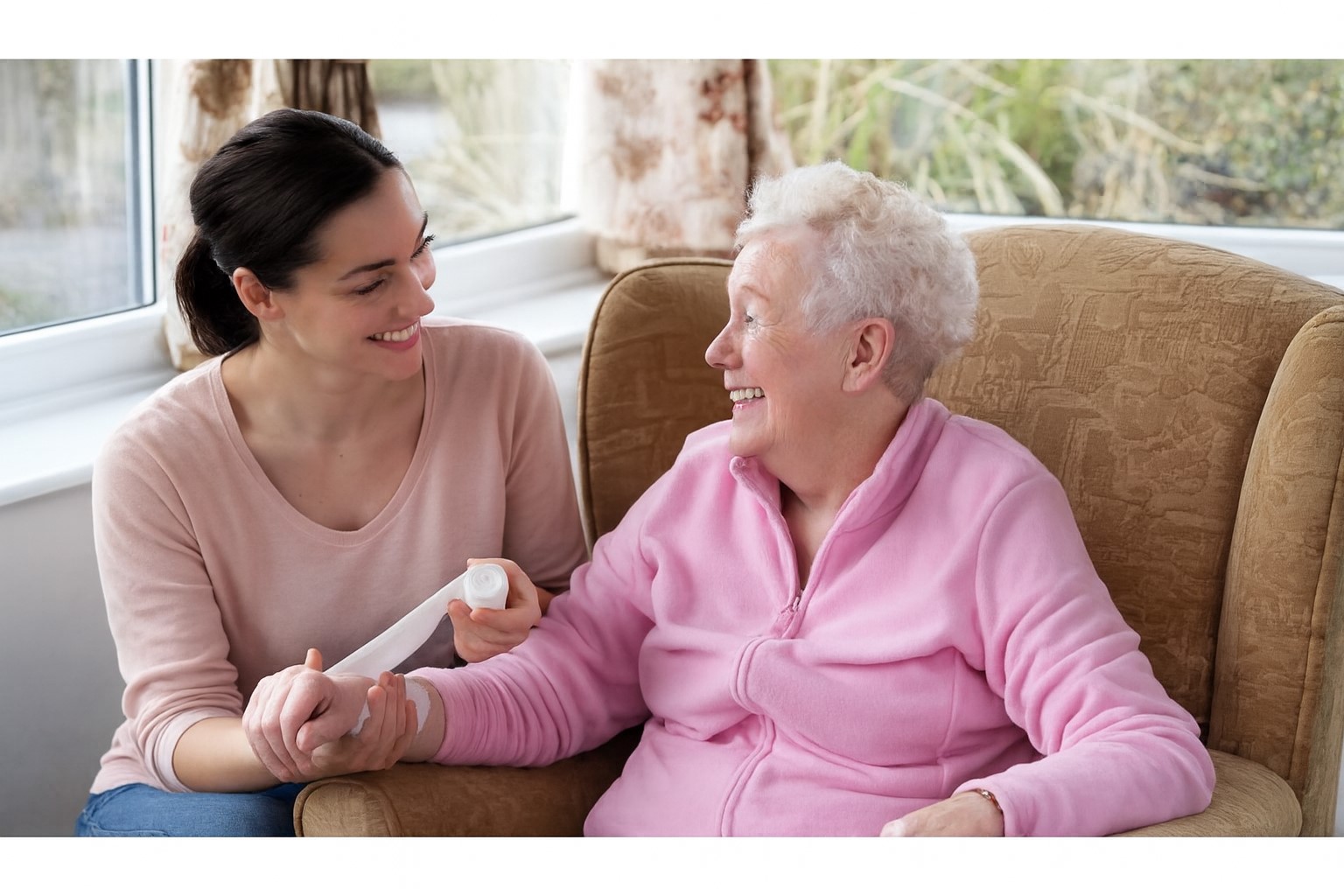
A live-in carer is a trained care professional who moves into your loved one’s home to provide day-to-day support whilst helping them remain independent.
Unlike residential care, live-in care allows someone to stay in familiar surroundings, maintain their routines and continue living life on their own terms.
A live-in carer can assist with a wide range of everyday tasks, including:
- Personal care including washing, dressing and grooming
- Preparing meals and drinks
- Medication prompts or assistance where appropriate
- Mobility support
- Toileting and continence care
- Household tasks such as cleaning and laundry
- Shopping and collecting prescriptions
- Companionship and emotional support
- Transport to appointments and social activities
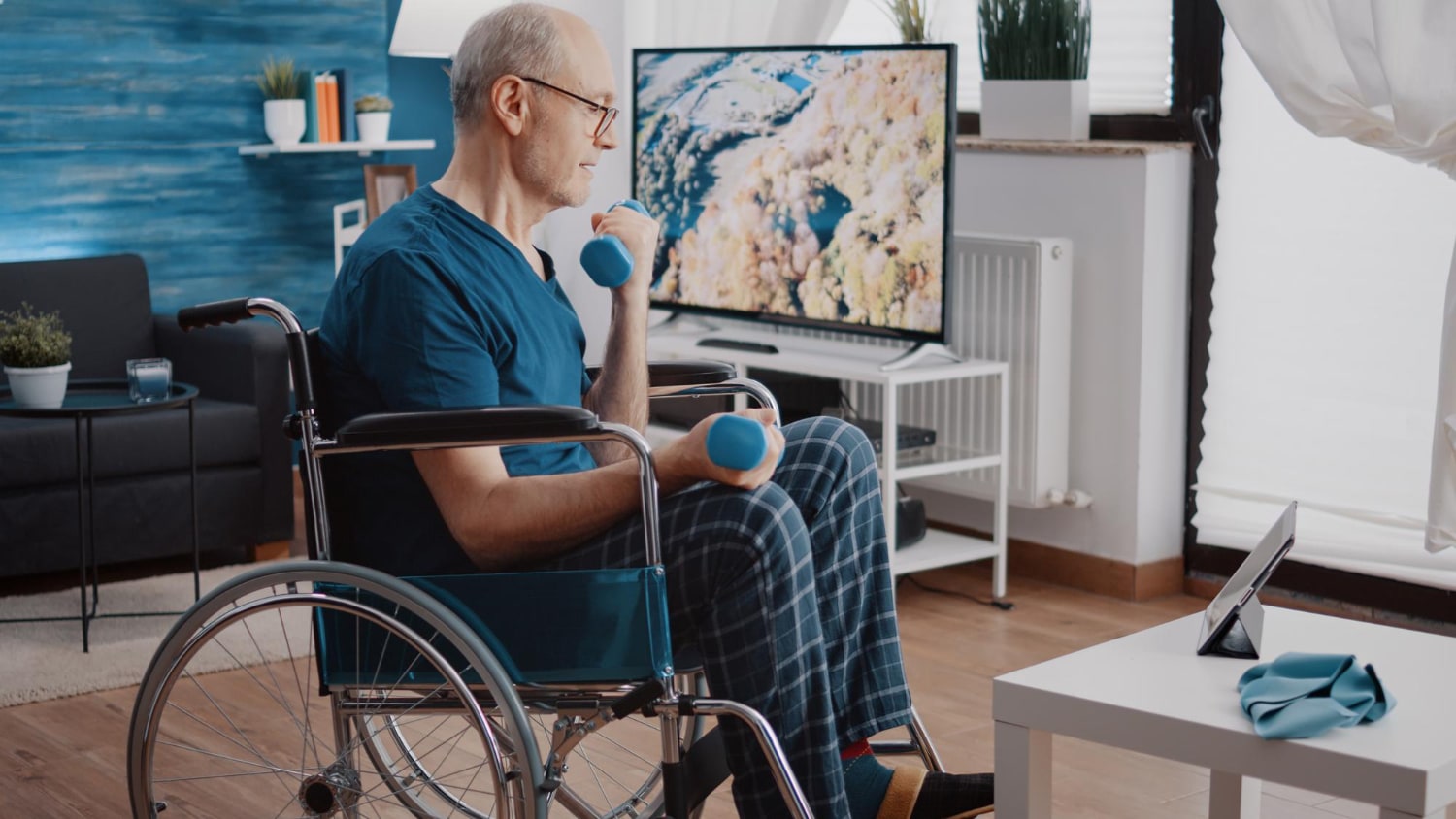
Many live in carers also provide specialist support for people living with dementia, Parkinson’s disease, multiple sclerosis and other long-term conditions, provided these needs don’t require ongoing clinical nursing interventions.
For most older people wising to remain at home, a live-in carer provides all the support they need.
What is a Live-in Nurse?
A live-in nurse is a registered nurse who lives in your loved one’s home whilst providing both personal care and clinical nursing care.
In the UK, registered nurses must be qualified and registered with the Nursing and Midwifery Council (NMC), the independent regulator for nurses, midwifes and nursing associates. This means they’re legally able to carry out clinical procedures that fall outside the scope of a carer’s role.
A live-in nurse may provide:
- Complex medication management
- Wound care and dressing changes
- PEG feeding and nutritional support
- Stoma care
- Catheter management
- Tracheostomy care
- Clinical observations and monitoring
- Administration of certain medications
- Liaison with GP’s, district nurses and hospital teams
Because they’re qualified healthcare professionals providing clinical care, live-in nurses are typically more expensive than live-in carers.
Live-in Nurse vs Live-in Carer: What’s the Difference?
At first glance, the two roles may appear very similar. Both professionals live in your loved one’s home, both provide daily support and both aim to help people remain independent.
The biggest difference lies in the type of care they are qualified to provide.
A live-in carer focuses on personal care, practical support and helping someone live safely at home.
A live-in nurse can provide all of that too, but also delivers clinical nursing care that requires professional nursing registration.
Here’s a simple comparison:
For many families, understanding this distinction answers an important question: having a medical condition doesn’t automatically mean someone needs a nurse.
Decision Guide: Do I Need a Live-in Nurse?
Choosing the right level of care can feel overwhelming, but asking a few simple questions often helps.
As a general rule, if your loved one’s needs are primarily personal rather than clinical, a live-in carer is likely to be the most appropriate choice.
If they require regular nursing procedures, that must legally be carried out by a registered nurse, a live-in nurse may be necessary.
Do I need a Live-in Nurse?
This is one of the most common questions families ask, and the answer is often simpler than people expect.
Many long-term conditions don’t automatically require nursing care.
For example, someone living with:
- Dementia
- Parkinson’s disease
- Arthritis
- Reduced mobility
- Frailty
- Diabetes (where care is well managed)
- Recovery following a stroke
may still be perfectly suited to live-in care rather than live-in nursing.
Instead of focusing on the diagnosis itself, it's more helpful to consider what support is actually needed each day.
If your loved one needs help getting dressed, preparing meals, taking medication, attending appointments and staying safe around the home, a live-in carer is often the right solution.
However, if they require complex wound management, specialist clinical interventions or ongoing nursing assessments, live-in nursing may be more appropriate.
Why Many Families Choose a Live-in Carer
When comparing a live-in nurse to a live-in carer, it is easy to assume that nursing care offers ‘more’ support.
In reality, it’s about providing the right support.
Many older people don’t need clinical treatment every day. What they need is someone who can help them live well, maintain their independence and provide reassurance for both them and their family.
A live-in carer offers consistency, companionship and practical support that fits naturally into everyday life.
Rather than adapting to the routines of a care home or relying on multiple visits throughout the day, your loved one benefits from one familiar face who gets to know their preferences, routines and personality.
For many families, that’s every bit as valuable as clinical expertise.
Can a Live-in Carer Work Alongside Nurses
Absolutely.
This is something many people don’t realise.
It is common for a live-in carer to work alongside NHS district nurses, community nurses, GP’s and other healthcare professionals.
For example, a district nurse may visit to carry out wound care or change a catheter, whilst the live-in carer provides personal care, meal preparation, companionship, change catheter bags and day-to-day support.
This collaborative approach allows many people with ongoing health conditions to continue living safely at home without requiring a live-in nurse on a full-time basis.
In many situations, it’s the ideal balance, combining specialist clinical expertise when needed with compassionate, everyday support from a dedicated live-in carer.
How Much Does a Live-in Nurse Cost Compared to a Live-in Carer?
Cost is naturally an important consideration when choosing the right type of care.
Because a live-in nurse is a registered healthcare professional with specialist clinical training, nursing care is generally more expensive than live-in care. The higher cost reflects the advanced skills, qualifications and clinical responsibilities involved.
A live-in carer, on the other hand, provides personal care and practical day-to-day support, making it a more affordable option for many families whose loved one doesn’t require ongoing nursing interventions.
It’s worth remembering that choosing the most expensive option doesn’t necessarily mean choosing the most appropriate one. If your loved one doesn’t need clinical nursing care, paying for a live-in nurse may provide little additional benefit.
Can Someone Start with a Live-in Carer and Later Need a Nurse?
Yes, and this is more common than most people realise.
Care needs can change over time, particularly if someone is living with a progressive condition or recovering from a serious illness.
For example, someone may initially need help with everyday tasks such as washing, dressing and preparing meals. As their health changes, they may begin to require clinical procedures that need to be carried out by a registered nurse.
The opposite can also happen.
Following surgery or a hospital stay, a person may temporarily need nursing care before returning to live-in care once they’ve recovered.
The important thing is that care should be reviewed regularly. Choosing the right support isn’t a one-off decision, it’s something that should evolve alongside your loved one’s needs.
Common Myths about Live-in Nurses and Live-in Carers
There are several misconceptions surrounding home care, particularly when it comes to the roles of carers and nurses.
Myth 1: Every old person needs a nurse
Not true.
Most older people don’t require ongoing clinical nursing care. They need help with everyday activities, companionship and support to remain independent at home, which are services typically provided by a live-in carer.
Myth 2: Carers aren’t trained professionals
Live-in carers receive training that enables them to provide safe, compassionate and person-centred care.
Many also undertake additional training in areas such as dementia care, Parkinson’s disease, moving and handling, medication support and safeguarding.
Whilst they aren’t registered nurses, they play a vital role in helping people live safely and comfortably at home.
Myth 3: A live-in nurse replaces other healthcare professionals
Even when someone has a live-in nurse, they may still receive support from GP’s, consultants, physiotherapists or other members of their healthcare team.
Likewise, live-in carers frequently work alongside district nurses and community healthcare professionals to ensure their clients receive joined up care.
Myth 4: Choosing a live-in carer means compromising on quality
The quality of care depends on choosing the right service for your loved one’s needs, not on whether the word ‘nurse’ appears in the job title.
For many families, a live-in carer provides exactly the right balance of practical support, companionship and independence.
Frequently Asked Questions
What is the difference between a nurse and a carer?
The difference between a nurse and a carer comes down to the type of care they are qualified to provide.
A registered nurse is trained to deliver clinical care, including wound management, complex medication administration and other nursing procedures. A carer provides personal care, practical support and companionship to help someone live safely and independently at home.
Both roles are valuable, but they serve different purposes.
Do I need a live-in nurse?
Many people don’t.
If your loved one mainly needs help with personal care, mobility, meal preparation, medication prompts and companionship, a live-in carer is the most appropriate choice.
You may wish to consider a live-in nurse if they require ongoing clinical procedures that must be carried out by a registered healthcare professional.
If you are unsure, a professional care assessment can help identify the right level of support.
Can a live-in carer administer medication?
This depends on the type of medication and the care providers policies.
Many live-in carers are trained to support with medication or administer certain medications where appropriate and where they have received the necessary training.
However, some clinical procedures and medications must be carried out by a registered nurse.
Is live-in care suitable after leaving hospital?
In many cases, yes.
Following a hospital stay, a live-in carer can provide valuable support with mobility, personal care, meal preparation and day-to-day activities whilst your loved one regains confidence at home.
If temporary clinical care is needed during recovery, this can often be provided by community healthcare teams working alongside the live-in carer.
Choosing the Right Care for Your Loved One
When comparing live-in nurses and live-in carers, it’s easy to focus on job titles. In reality, the most important question isn’t whether your loved one needs a nurse or a carer, it’s what level of support will help them live safely, comfortably and independently.
Every family is different and every care journey is unique.
At A Class Care, we take the time to understand your loved one’s needs before recommending the most appropriate type of support. Whether you’re exploring live-in care for the first time or wondering whether nursing care is necessary, our experienced team is here to provide honest, expert advice with no pressure or obligation.
If you’d like to discuss your options, get in touch with A Class Care to arrange a free, no-obligation care assessment and discover the support that’s right for your family.