The Recovery Process
Recovery from ABI is a highly individualised process that can vary significantly from one person to another. The concept of neuroplasticity—the brain’s ability to reorganise itself by forming new neural connections—plays a crucial role in this recovery. However, the extent and speed of recovery depend on several factors, including the severity of the injury, the individual’s age, and the quality and timeliness of medical intervention.
The Importance of Early Intervention
Early medical intervention is critical for improving outcomes in ABI cases. Immediate care typically involves stabilising the patient, managing brain swelling, and preventing further injury. Once the acute phase is managed, the focus shifts to rehabilitation, which is essential for helping individuals regain lost functions or adapt to new limitations.
Rehabilitation and Therapy
Rehabilitation for ABI patients often involve a comprehensive, multidisciplinary approach that includes:
• Physical Therapy: Aims to restore movement, balance, and muscle control, helping individuals regain their physical independence.
• Occupational Therapy: Focuses on enabling individuals to perform daily activities, such as dressing, cooking, and using technology, independently.
• Speech Therapy: Addresses difficulties with speech, language, and swallowing, helping to improve communication and feeding abilities.
• Cognitive Rehabilitation: Involves exercises and strategies to enhance memory, attention, and problem-solving skills, supporting cognitive recovery.
At A Class Care, we work closely with providers to ensure that every individual receives the tailored support they need for a successful recovery.
Support Systems for Recovery
Support from family, friends, and professional caregivers is indispensable during the recovery process. For young adults, in particular, it’s vital that their support systems understand and address their unique needs as they transition from adolescence to adulthood.
The Role of Supported Living
Supported living environments can be incredibly beneficial for young adults with ABI, providing a structured yet flexible setting that fosters independence. These environments offer tailored support that helps individuals develop life skills at their own pace, bridging the gap between dependence and independence.
A Class Care offers services designed to meet these needs, helping young adults with ABI thrive.
The Long-Term Effects of ABI
ABI often results in long-term effects that can persist throughout an individual’s life. These effects can influence all aspects of daily living, from physical health to social interactions and mental well-being.
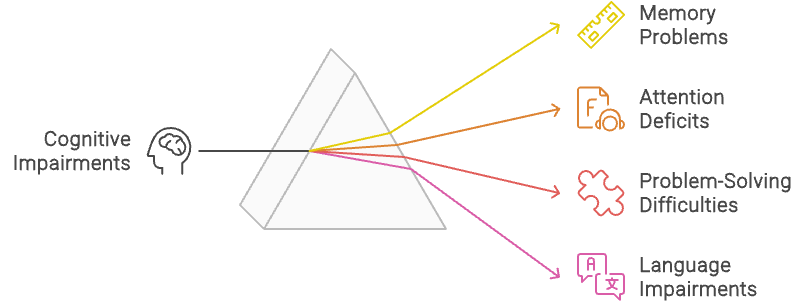
Coping with Cognitive Impairments
Cognitive impairments, such as memory issues and attention deficits, can make everyday tasks challenging. This can impact the individual’s ability to work, pursue education, or manage personal relationships effectively.
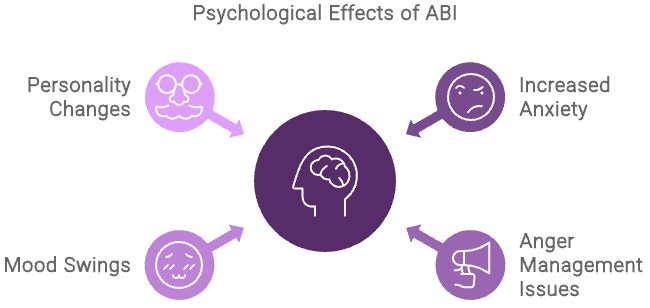
Addressing Emotional and Behavioural Changes
Emotional and behavioural changes, such as increased anxiety, mood swings, and personality shifts, can lead to social isolation and strained relationships. It’s important for those around the individual to recognise these changes as part of the injury and offer understanding and support rather than judgment.
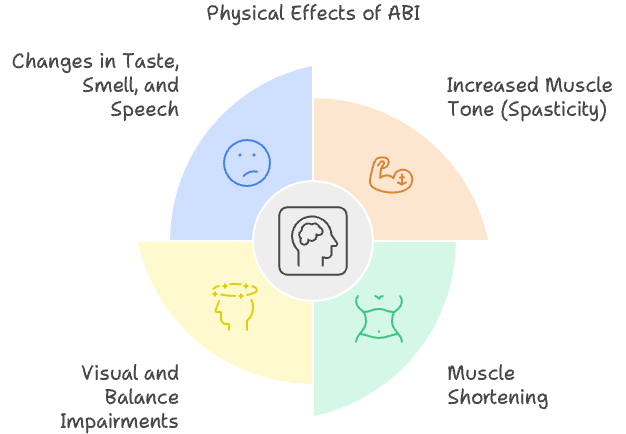
Navigating Physical Limitations
Physical limitations can be particularly frustrating for young adults who were once active and independent. Adaptive equipment, physical therapy, and supportive environments can help individuals regain some level of autonomy, allowing them to live as independently as possible.
Building a Supportive Environment
A supportive environment is crucial for the recovery and well-being of individuals with ABI. This includes both the physical space in which they live, and the emotional and social environment provided by family, friends, and caregivers.
The Role of Family and Friends
Family and friends are often the primary caregivers for individuals with ABI. Their understanding, patience, and encouragement can make a significant difference in the recovery process, helping to provide a stable and supportive environment.
Professional Support Services
Professional support services, such as those provided by A Class Care, offer crucial assistance tailored to meet the specific needs of young adults with ABI. These services range from in-home care to supported living arrangements, providing the structured support necessary.
The Benefits of Peer Support
Connecting with others who have experienced ABI can provide valuable emotional support and a sense of community. Peer support groups and online communities can be beneficial resources for both individuals with ABI and their families, offering shared experiences and understanding.
Promoting Independence
One of the primary goals of ABI recovery is to help individuals regain as much independence as possible. This involves not only physical and cognitive rehabilitation but also building confidence and self-esteem. Supported living environments and personalised care plans play a crucial role in this process, enabling individuals to achieve greater autonomy.
Conclusion
Acquired Brain Injury is a complex and challenging condition, but with the right support, individuals can overcome its obstacles and lead fulfilling lives. Understanding ABI, its impact, and the pathway to recovery is the first step towards providing effective care and support. With comprehensive care plans that include supportive living environments, those affected by ABI can navigate the challenges of recovery and build a life of independence and fulfilment.
At A Class Care, we provide the highest quality care, ensuring that young adults with ABI receive the support they need to thrive. We firmly believe that every individual should have control over their care and support plan, ensuring it is uniquely tailored to their needs for inclusivity and clarity. Our approach is profoundly person-centred, with each plan crafted to focus on the individual's personal goals, desires, and aspirations, creating a compassionate and supportive environment. Contact us today to learn how we can support you on this journey.
For further reading on ABI visit
https://www.headway.org.uk/
https://ukabif.org.uk/