As our loved ones age, ensuring they receive the best possible care becomes a paramount concern. Traditionally, care homes have been the go-to solution for families seeking support for elderly relatives. However, live-in care has emerged as a compelling alternative, offering a range of benefits that cater to individual needs and preferences. This article delves into the advantages of live-in care over traditional care homes, providing insights to help you make an informed decision.
1.Personalised Care and Continuity
One-to-One Attention
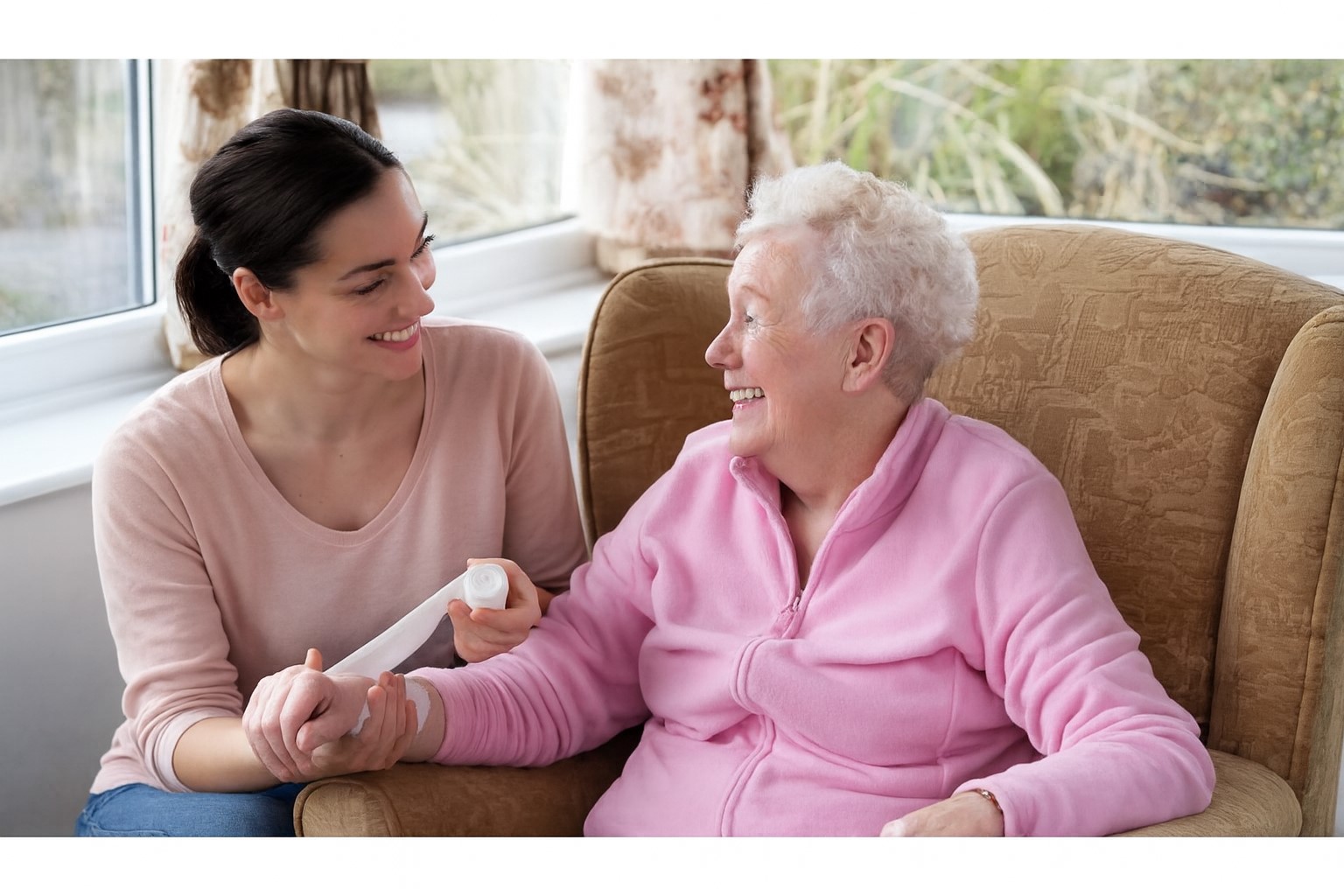
Live-in care provides a unique opportunity for personalised, one-to-one support. A dedicated caregiver resides in the individual's home, offering assistance tailored to their specific needs. This arrangement ensures that the caregiver becomes intimately familiar with the person's routines, preferences, and health requirements, fostering a consistent and trusting relationship.
In contrast, care homes often have a higher staff-to-resident ratio, which can limit the amount of individual attention each resident receives. Caregivers in these settings are responsible for multiple residents, making it challenging to provide the same level of personalised care.
Specialised Support for Complex Conditions
For individuals living with conditions such as dementia or Parkinson's disease, specialised care is crucial. Live-in carers often receive training to manage these specific health issues, enabling them to provide appropriate support and interventions. This specialised attention can significantly enhance the quality of life for those with complex health needs.
Care homes may offer specialised units for such conditions; however, the personalised, continuous support available through live-in care often leads to better outcomes and a more comfortable experience for the individual.
2. Familiar Environment and Independence
Comfort of Home
Remaining in one's own home surrounded by familiar belongings and memories can have a profound impact on an individual's well-being. The comfort and security of a known environment help reduce stress and anxiety, particularly for those with cognitive impairments.
Transitioning to a care home requires adjusting to new surroundings, which can be disorienting and emotionally challenging. The process often involves downsizing personal possessions and adapting to a communal living space, which may not suit everyone's preferences.
Maintaining Daily Routines and Hobbies
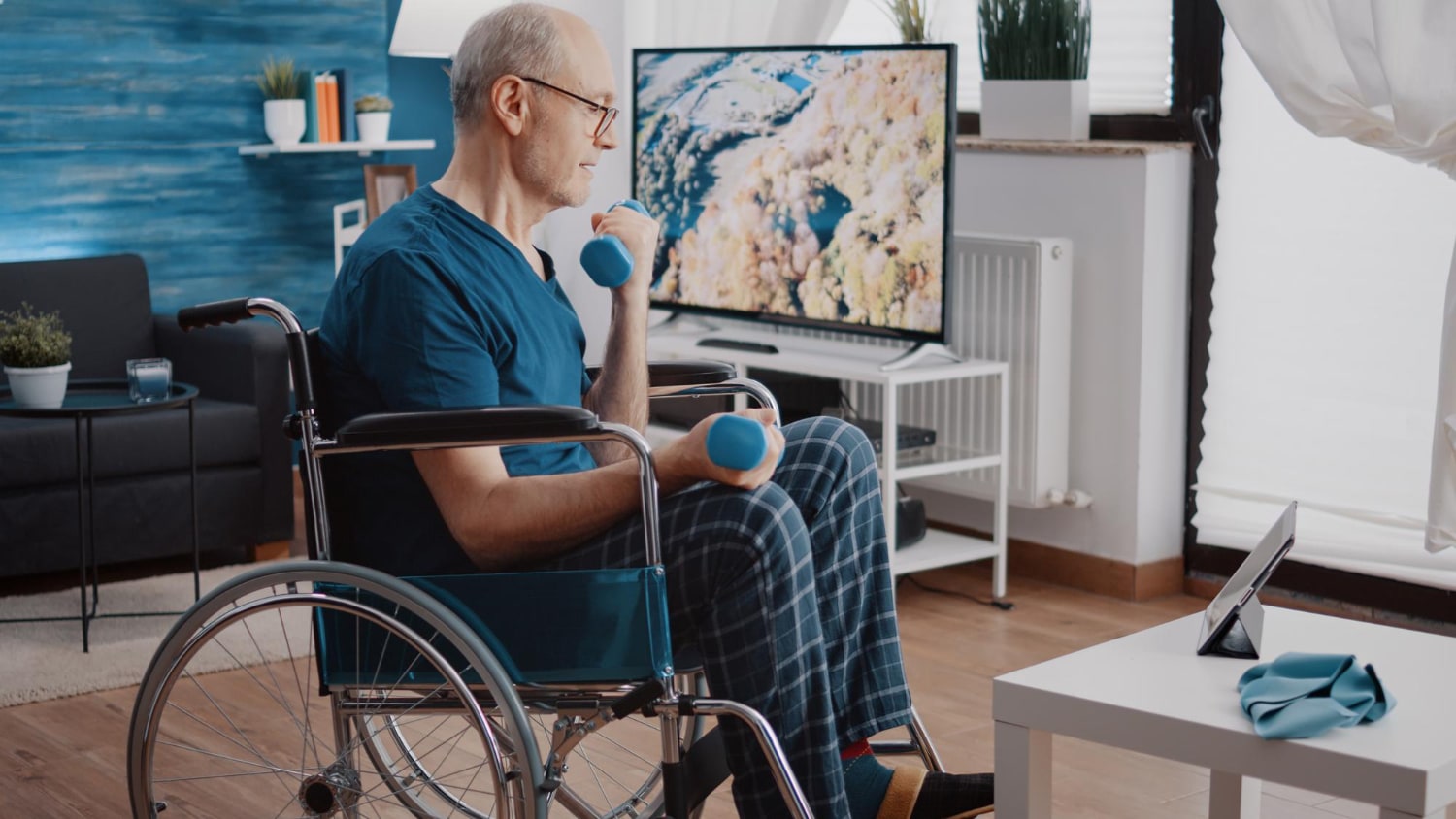
Live-in care allows individuals to continue their established daily routines and engage in hobbies they enjoy. Whether it's tending to a garden, cooking favourite meals, or visiting local friends, maintaining these activities contributes to a sense of normalcy and independence.
In care homes, residents must adapt to the facility's schedule, which can limit personal freedom and the ability to pursue individual interests. This structured environment may not align with everyone's lifestyle, potentially leading to feelings of restriction.
3.Health and Safety Benefits
Reduced Risk of Falls and Infections
Studies have shown that live-in care can lead to a significant reduction in falls and related injuries. With a dedicated caregiver present, potential hazards in the home can be identified and mitigated promptly, ensuring a safer living environment.
Care homes, while staffed with professionals, have multiple residents to attend to, which can result in less immediate response times. Additionally, communal living increases the risk of infections spreading among residents, a concern that is minimized with live-in care.
Lower Hospital Admission Rates
Personalised attention in a home setting allows for early detection of health issues, enabling prompt medical intervention. This proactive approach can prevent conditions from worsening, thereby reducing the likelihood of hospital admissions.
In care homes, the higher resident-to-staff ratio may delay the recognition of health concerns, potentially leading to more frequent hospital visits.
4.Cost-Effectiveness
Financial Considerations for Couples
For couples, live-in care can be a more economical option. Instead of paying for two separate accommodations in a care home, a single live-in caregiver can provide support to both individuals within their shared home. This arrangement often results in cost savings while allowing the couple to remain together.
Care homes charge per resident, which can double the expenses for couples. Additionally, the costs in care homes cover not only care services but also room and board, which may not directly contribute to the quality of care received.
Asset Retention
Opting for live-in care allows individuals to retain ownership of their homes, avoiding the need to sell property to fund care expenses. This retention of assets can be financially advantageous and provides a sense of security for the family.
In contrast, funding a stay in a care home often necessitates the sale of the family home, which can be a distressing and irreversible decision.
5. Emotional and Social Well-being
Companionship and Family Involvement
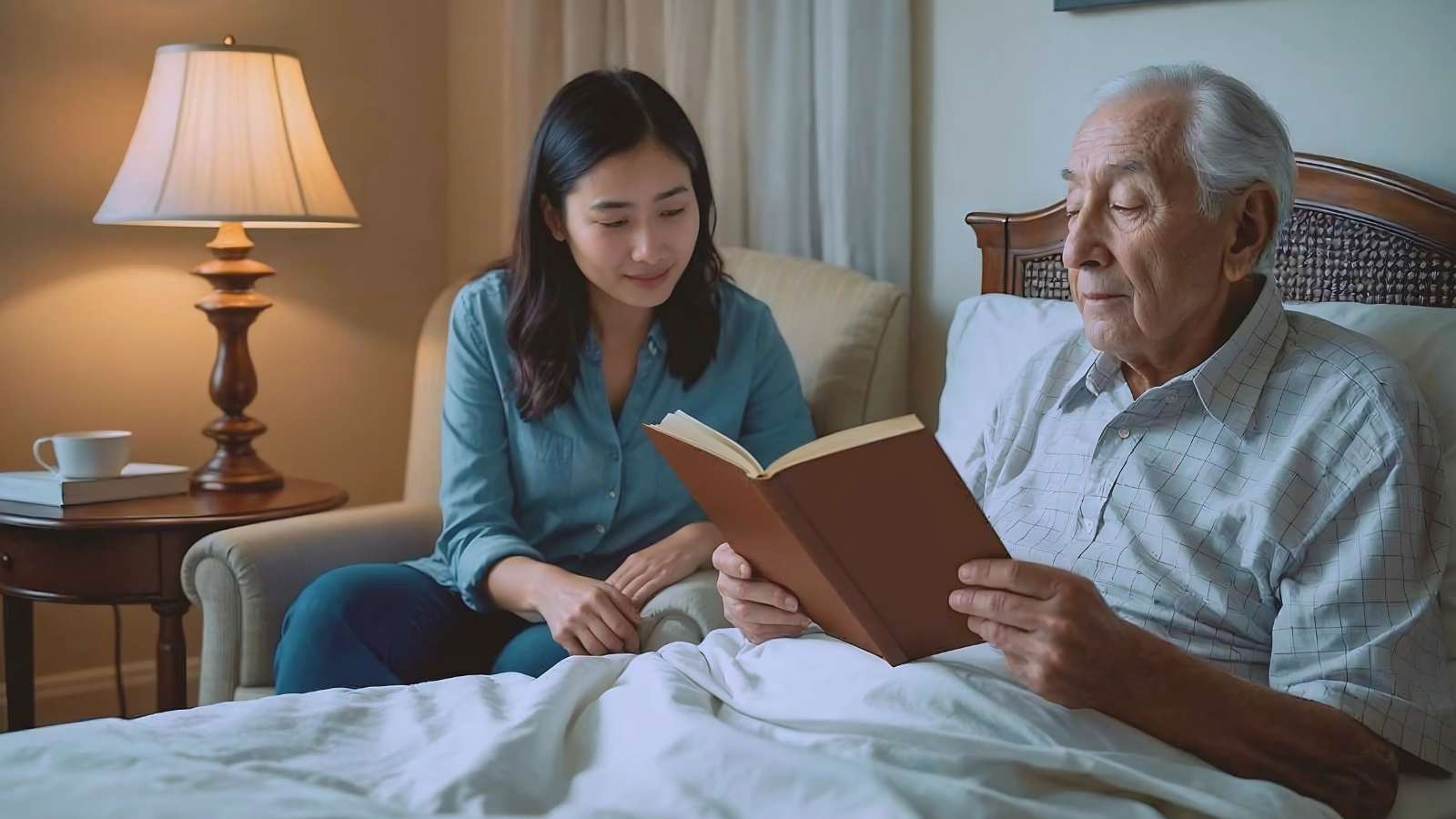
A live-in carer offers consistent companionship, building a meaningful relationship that combats loneliness and isolation. This one-on-one interaction ensures emotional support and fosters a sense of belonging.
Family members also find it easier to visit and participate in the care process when their loved one remains at home. This involvement strengthens family bonds and provides additional emotional support.
Community Engagement
Staying at home enables individuals to maintain connections within their local community. Regular interactions with neighbours, attendance at local events, and visits to familiar places contribute positively to mental health and overall well-being.
Care homes may offer social activities, but the opportunities for community engagement are often limited to within the facility, which can lead to a sense of isolation from the broader community.
6. Flexibility and Dignity
Autonomy Over Daily Life
Live-in care provides the flexibility for individuals to make choices about their daily lives, from mealtimes to activities. This autonomy preserves dignity and promotes a higher quality of life.
In care homes, structured schedules dictate daily routines, leaving little room for personal preferences. This rigidity can diminish a person's sense of control over their own life.
Support for Short-Term and Long-Term Needs
Whether recovering from surgery or managing a chronic condition, live-in care offers adaptable support that can scale with changing needs. This flexibility ensures that individuals receive appropriate care without the disruption of moving between different facilities.
Waking night care is also an option for those who require continuous overnight supervision, ensuring peace of mind for both the individual and their family members.
Live-in Care vs. Care Homes: A Clear Comparison
Understanding the differences between live-in care and care homes can help you make the best choice for yourself or a loved one. Below is a simple comparison of key benefits, helping you see which option aligns with your priorities.