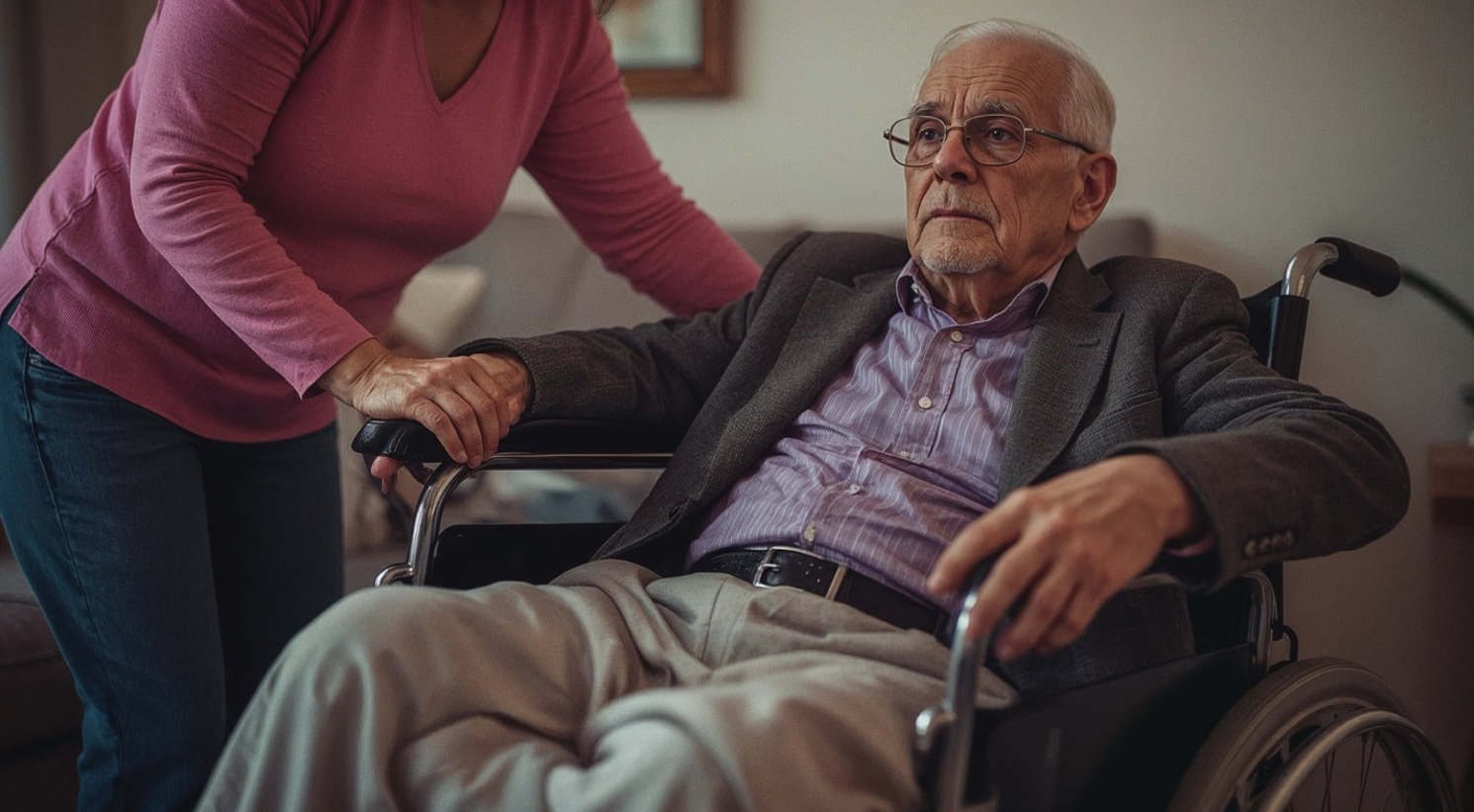
This is the story we mentioned at the beginning, a story that perfectly illustrates why private care at home can make an extraordinary difference.
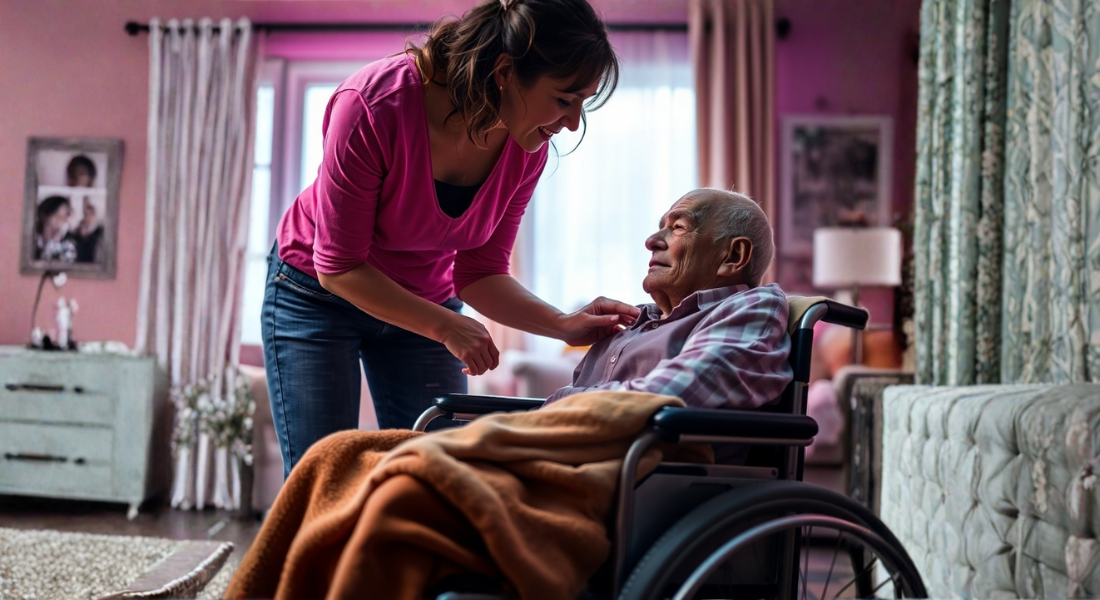
A gentleman in our care had been admitted to hospital in a very unwell state, spending more than three months receiving inpatient treatment. During this time, his health deteriorated further - he developed infections, lost weight, and could no longer walk. Doctors considered him palliative, with a poor prognosis and a life now heavily dependent on support. When he was discharged, he required two carers and specialised equipment, and careful medication management. His family faced an uncertain future.
That's when A Class Care stepped in to provide live-in care.
His family made the decision to bring him home, where he would receive dedicated one-to-one care from our team focused on his comfort, dignity, and wellbeing.
What happened next surprised everyone.
Our care team provided daily personal care, medication support, and mobility assistance. But equally important, they offered encouragement, emotional support, and reassurance - both to him and his family. Over six months, his progress was extraordinary.
He gained weight, discontinued emergency medications, and was no longer considered palliative. With determination and support from his carer, he built upper body strength, reduced his need for two carers to one, and began pulling himself up independently. Perhaps most remarkably, he is now awaiting physiotherapy input with hopes of walking again - something that once seemed impossible.
- We must be clear: This is not a promise. This is not a guarantee. Every situation is unique, and outcomes vary tremendously based on individual health conditions, diagnoses, and circumstances. Some individuals will not experience this kind of recovery, and that's the reality of serious illness and ageing.
- What this story demonstrates, however, is the potential impact of excellent care delivered in the right environment. Several factors contributed to this gentleman's remarkable improvement:
- Personalised nutritional support: His carer prepared meals he wanted to eat, helped him regain weight, and made mealtimes pleasant occasions rather than clinical necessities.
- Gentle, consistent encouragement: With someone present who knew him well and cared about his wellbeing, he was encouraged to move, to try, to engage - supported through every small victory.
Familiar surroundings: Being in his own home, surrounded by his possessions and memories, reduced stress and supported better overall wellbeing.
- Dedicated attention: Without the distractions of caring for multiple people, his carer could focus entirely on his needs, noticing subtle changes and responding immediately.
- Emotional wellbeing: The comfort of being home, the relationship with his carer, and the ability to see family in normal circumstances all contributed to improved mental health, which profoundly impacts physical health.
- Family support: Working alongside families as part of the care journey, providing reassurance and support not just to him, but to his loved ones throughout.
This story isn't about miracle cures. It's about the power of excellent, personalised care delivered in an environment that supports healing, comfort, and wellbeing. Palliative live-in care at A Class Care is about more than clinical needs - it's about supporting independence wherever possible, encouraging physical and emotional strength, working alongside families as part of the care journey, and prioritising dignity, comfort, and compassion. For some, that makes a modest difference. For others, like this gentleman, it can be truly transformative.
The Evidence: Health and Wellbeing Benefits of Home Care
Individual stories are powerful, but they're supported by broader evidence. Research consistently demonstrates that person-centred care delivered at home has measurable positive impacts on health and wellbeing outcomes.
Studies show that receiving care at home leads to greater positive impacts on wellbeing, happiness, and life satisfaction compared to residential care. There are also measurably reduced rates of hospital admission and re-admission amongst those receiving quality home care - partly because consistent one-to-one care means problems are identified and addressed earlier.
Physical health benefits include better nutrition (meals tailored to preferences and dietary needs), improved mobility through personalised exercise and movement support, better medication management with dedicated oversight, and reduced infection risk compared to communal living environments.
Mental and emotional benefits are equally significant. Depression and anxiety rates are lower amongst those receiving care at home compared to those in residential settings. The ability to maintain routines, make choices, and stay connected to familiar people and places protects mental health. Loneliness - a significant health risk factor - is addressed through consistent companionship and maintained community connections.
Quality of life improvements extend to maintained dignity and independence, continued engagement in hobbies and interests, better sleep quality in your own bed and environment, and sustained relationships with family, friends, and community.
Importantly, avoiding the upheaval of moving into residential care eliminates the stress and grief that often accompany such transitions - stress that can significantly impact both physical and mental health, particularly for older adults and those with dementia.
Practical Considerations: Is Private Care at Home Right for You?
Beyond the emotional and health benefits, there are practical considerations worth understanding:
- Cost comparison: Many families are surprised to learn that private care at home is often comparable to, or even less expensive than, residential care fees - particularly for live-in care. You also maintain your home as an asset, which matters for estate planning and future flexibility.
- Flexibility: Care at home scales with your needs. Start with a few visits weekly and increase to live-in care if needed, or vice versa. This adaptability simply isn't possible with residential care, which typically requires long-term commitment.
- Funding options: Private care at home can be self-funded, but there are also options including local authority funding for those who qualify, NHS Continuing Healthcare for those with complex medical needs, or combinations of self-funding and local authority support.
- Home adaptations: Simple adaptations - grab rails, ramps, or stairlifts - can make remaining at home safely possible. These one-time investments are often more cost-effective than ongoing residential care fees.
- Trial periods: Unlike moving into residential care (which involves selling or renting out your home), starting home care is low-risk. If it's not working, adjustments can be made or alternative arrangements considered - all whilst you remain in your own home.
The practical case for home care is compelling. When combined with the emotional, psychological, and health benefits, it's clear why so many families choose this option.
The A Class Care Difference: What Sets Our Approach Apart
Not all home care is equal. At A Class Care, we've built our service around principles that ensure the kind of transformative, person-centred care that makes a real difference:
Careful matching: We don't simply assign available carers. We carefully match individuals based on personality, interests, experience, and compatibility. This ensures genuine relationships can form - relationships that enhance quality of life beyond just meeting care needs.
Ongoing training and support: Our carers receive continuous training in not just practical care skills, but in dementia care, person-centred approaches, communication, and dignity in care. They're supported by experienced care managers who provide guidance and oversight.
Personalised care planning: Your care plan is built around you - your preferences, routines, needs, and wishes. It's a living document that evolves as circumstances change, ensuring care remains relevant and effective.
Dignity and respect at the core: Everything we do is underpinned by respect for dignity, independence, and individual choice. Care isn't done to you; it's provided with you, in partnership, respecting your autonomy at every step.
Responsive communication: Family members are kept informed, concerns are addressed promptly, and we're always available to discuss care, make adjustments, or simply provide reassurance.
We've seen what excellent care at home can achieve. That's why we're committed to delivering it to every person we support, every single day.
The Difference That Home Makes
The evidence is clear, the stories are powerful, and the logic is compelling: private care at home offers something fundamentally different from residential care settings. It's the difference between having your day structured around institutional needs versus your own preferences. Between being one of many and being the sole focus of dedicated care. Between moving away from your life and remaining fully within it.
For some, like the gentleman whose story we shared, the impact can be dramatic - a reversal of decline, restored quality of life, and outcomes that exceed medical expectations. For others, the difference might be quieter but no less profound: better days, preserved dignity, maintained connections, and the comfort of being surrounded by everything familiar.
Outcomes vary. Every situation is unique, and private care at home isn't appropriate for everyone. Some conditions require medical facilities and equipment that can only be provided in hospital or nursing settings. But for many - perhaps most - people facing care decisions, remaining at home with appropriate support offers the best possible quality of life.
The power of familiar surroundings, combined with dedicated one-to-one care from someone who knows you, understands you, and is focused entirely on your wellbeing, creates conditions where people can thrive, not just survive. Whether that means improved health outcomes, better emotional wellbeing, sustained independence, or simply more good days than would otherwise be possible - that's the difference that home makes.
If you're considering care options for yourself or someone you love, we'd welcome the opportunity to discuss how A Class Care might support you. Every journey is different, and we're here to help you navigate yours with compassion, expertise, and genuine care.
Take the Next Step
Choosing the right care takes time, information, and honest conversation. We're here to help you explore what's possible.
Contact A Class Care today for a free, no-obligation consultation to discuss your individual needs and circumstances, receive personalised care plan proposals, and get answers to your questions about any aspect of home care.
Visit www.aclasscare.co.uk to learn more about our services across Cambridge, Bedford, Essex, Norfolk, Suffolk, and Northamptonshire.
Your home. Your life. Your choice. Let us show you what's possible.